May 28, 2026
·Emily Kho
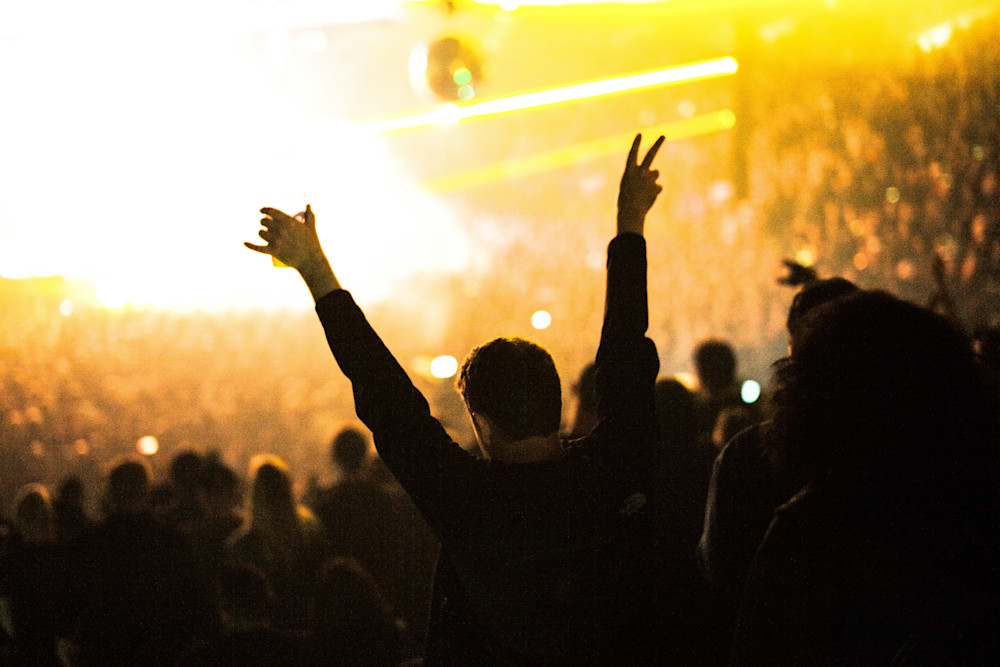
You've been eyeing tickets for weeks. The artist is someone you love, the show is in your city, and the date works perfectly. There's just one problem: nobody in your life wants to go, or can go, or even knows who the artist is.
So you're left with a question that stops a surprising number of fans from buying: should I go alone?
The short answer is yes. Going to a concert alone is one of the most underrated experiences in live music. It sounds intimidating if you've never done it, but once you do, there's a good chance it becomes something you actively prefer for certain shows.
Reasons why you should go to a concert on your own
Going to a concert alone gives you the freedom to enjoy the night exactly how you want, from when you arrive to where you stand or sit. Instead of waiting on someone else’s schedule or music taste, you can focus on the show, the crowd and the experience in front of you.
Experience the music on your own terms
When you're at a concert with friends, the experience is shaped by the group. You're coordinating arrival times, compromising on where to stand, checking in on how everyone's doing, and adjusting your energy to match the people around you.
None of that is bad, but it does filter the experience through other people's preferences.
Solo, the entire night is yours. You show up when you want, stand where you want, and leave when you want.
If you want to push toward the front, you go.
If you want to close your eyes during the ballad and just listen, nobody's tapping your shoulder.
You're fully present in a way that's harder to achieve when you're splitting your attention between the show and a group.
This is especially true for artists you care deeply about. Seeing your favorite performer live is an emotional experience, and there's something powerful about being able to absorb it without any social layer on top.
Imagine being at an Ariana Grande show and just letting yourself get lost in it. No side conversations, no compromises.
Solo fans get better seats for less money
One of the most practical advantages of going alone is that single tickets are easier to find and often cheaper. When you need two or four seats together, your options narrow significantly, especially for sold-out or high-demand shows. A single seat can fit into gaps that paired listings can't, which means you'll often find better sections available at lower prices.
On SeatGeek, filtering for single tickets on a popular show, say, Olivia Rodrigo or Foo Fighters, can reveal options in sections that appear sold out when you search for pairs. A solo buyer has access to inventory that groups simply don't.
The Deal Score helps you spot the best value among those single listings, and the interactive seat maps let you see exactly where the available seat sits.
For arena and amphitheater shows, this can mean the difference between an upper-bowl seat with friends and a lower-bowl seat alone. If seeing the show up close matters to you, going solo is one of the most effective ways to upgrade your experience without increasing your budget.
The social barrier is mostly in your head
The biggest hesitation most people have about solo concerts is the fear of looking or feeling out of place. In reality, nobody at a concert is paying attention to whether you're there alone. Everyone is focused on the stage, the music, and their own experience. The lights are low, the crowd is loud, and you blend in the moment you walk through the door.
If anything, solo concertgoers tend to have more organic interactions with strangers than people in groups. When you're not locked into a bubble with your friends, you're more open to conversations with the people around you.
Concert crowds are generally friendly, especially among fans of the same artist. It's not unusual to end the night having met someone who becomes a lasting connection.
If the social aspect still feels daunting, starting with a smaller venue can help. A club show or a theater concert is more intimate and lower-pressure than a packed arena. But truthfully, even arena shows are perfectly comfortable alone once you realize nobody is thinking about you. They're thinking about the music.
It's also worth remembering that going alone doesn't mean being alone the entire time. You're surrounded by people who share at least one thing in common with you. They're fans of the same artist.
That's a built-in conversation starter, and the shared experience of a great show creates a sense of connection even without exchanging a word.
Some shows are actually better alone
Not every concert is equally suited for a solo experience, but many are actively better that way. Intimate singer-songwriter shows, jazz performances, classical concerts, and acoustic sets benefit from the quiet attention that solo attendance naturally creates.
You're not whispering to a friend between songs or splitting your focus. You're just listening.
Electronic and dance music events are another strong solo category. A show like ILLENIUM at the Sphere or a festival set from a favorite DJ, the crowd is the community, and the social dynamic is built into the genre.
You don't need to bring someone. The people around you become the group.
Arena tours from artists with deeply personal catalogs, think Summer Walker, My Chemical Romance, or Florence and the Machine, hit differently when you're not self-conscious about how you react.
Solo gives you permission to be a fan at full volume without worrying about anyone else's experience.
Practical tips for your first solo concert
Going to a concert alone can feel intimidating at first, but it can also be freeing: you get to choose the timing, spot and pace entirely for yourself. A little planning ahead can make the night feel smoother and more fun.
Buy your ticket early enough to get a section you're excited about. Part of what makes a solo show great is the freedom to choose exactly the seat or spot you want.
Don't settle for whatever's left. Use the full flexibility of being a single-ticket buyer.
Arrive at your own pace. Some solo concertgoers like arriving early to grab a drink and settle in. Others prefer showing up right before the set starts. Without a group to coordinate, the timing is entirely yours.
Keep your phone charged but try not to spend the whole show behind a screen. One of the best parts of going solo is how present you feel and leaning into that rather than documenting every song makes the experience more memorable.
If you're driving, parking solo means leaving whenever you're ready. No waiting for someone to finish their drink or find their jacket. The show ends, you walk to your car, and the night is yours.
And if you're someone who uses music as a way to recharge, the kind of person who puts on headphones to decompress after a long day, a solo concert is the live version of that ritual. It's restorative in a way that a group outing, however fun, simply can't be.
Find your next solo show on SeatGeek
The best concert you've ever been to might be one you attend alone. Whether it's AC/DC at a stadium, Metallica at the Sphere, Bon Jovi on an arena run, or a Guns N' Roses show at an amphitheater, browse concert tickets on SeatGeek to find upcoming shows, filter for single tickets, and compare sections to find the perfect seat.
Set up price alerts to track artists you love, and buy when the price is right. Every ticket is backed by the Buyer Guarantee and delivered instantly to your phone. All you have to do is show up.
Ready to turn “maybe I should go” into “I’m so glad I did”? Find your next can’t-miss show, grab a ticket and make the night entirely your own.
📁 Categories: Concerts
🏷️ Tags: Ariana Grande, Foo Fighters, Olivia Rodrigo, ILLENIUM, Las Vegas Sphere, Bon Jovi, AC/DC, My Chemical Romance