Jul 2, 2026
·Mary Callahan
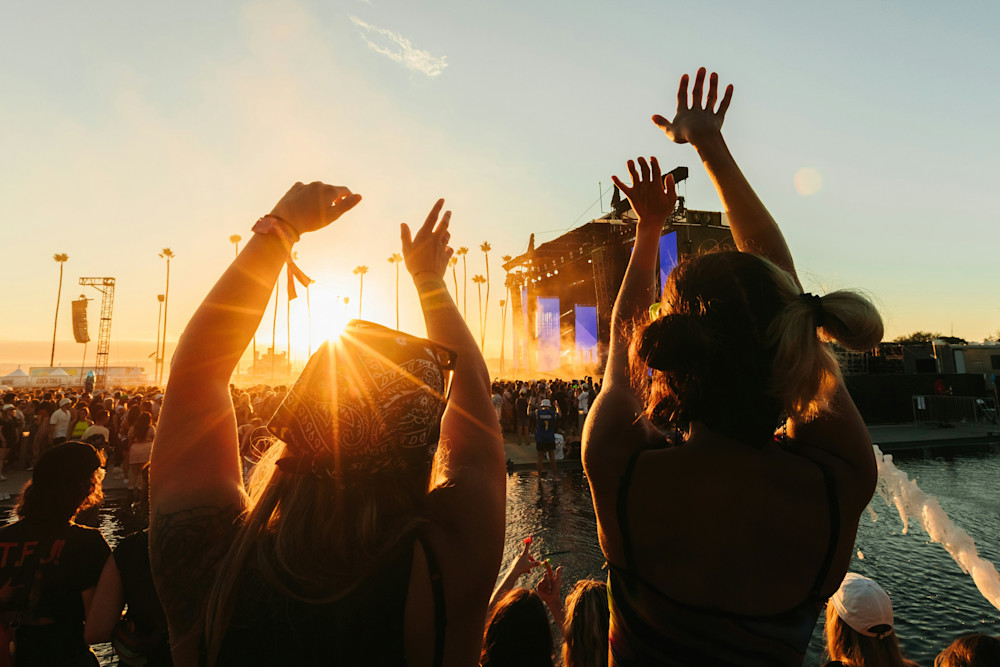
Extreme heat can turn a live event into a completely different kind of experience.
A summer concert can feel a lot less fun if you spend two hours standing on hot pavement before doors. A baseball day game can get uncomfortable fast if your seats are in direct sun for nine innings. A festival can sneak up on you, too, because the heat risk usually starts long before the headliner walks onstage.
That does not mean fans need to panic every time triple-digit temperatures are in the forecast. It just means hot-weather events require a little more planning than usual. Whether you are going to an outdoor concert, a World Cup match, an MLB game or a music festival, the big things to think about are water, shade, timing, seat location and what the venue actually allows through security.
Here is what to know before buying tickets, packing your bag or heading out for a live event in extreme heat.
How to prepare for outdoor live events in hot weather
Hot weather can affect every type of live event differently, but the basics are the same: plan for lines, shade and several hours outside before, during and after the event. The real heat risk often starts before the first pitch, opening set or kickoff.
Concerts and music festivals
The best way to stay comfortable and safe at a hot outdoor concert is to prepare before you leave. Once you are already in a security line, parking lot or packed crowd, it becomes much harder to fix dehydration, overheating or sun exposure.
Start by checking the hourly forecast for the venue, not just the daily high. Pay attention to the heat index, humidity and whether the hottest part of the day overlaps with your arrival time. If doors open at 4 p.m. for an outdoor show, your highest heat risk may happen before the headliner ever takes the stage.
Before leaving, focus on the essentials: eat a real meal, drink water early and apply sunscreen before you get in line. It is also worth checking the venue’s bag policy so you know whether sealed water bottles, empty reusable bottles, sunscreen or cooling towels are allowed.
For concerts, floor and pit tickets can feel hotter than reserved bowl seats because the crowd is denser and airflow is limited. If heat affects you, reserved seats, shaded sections or club-level access may be more comfortable than standing in a packed GA area for hours.
What if you have GA or pit tickets?
General admission events can be tougher in extreme heat because the waiting period often happens before you have easy access to shade, water or restrooms. Fans may want to line up early for barricade, pit access or a prime lawn spot, but arriving earlier is not always better if it means standing in direct sun for several extra hours.
If you have GA tickets, plan your arrival around the forecast, not just the show time. Look for shade before committing to a line, ask staff where water or first aid is located and avoid skipping food just to protect your spot. Once inside, know the quickest way to step out for water, restrooms or medical help.
Barricade is not worth staying in place if you feel dizzy, nauseous, faint or unusually weak. If your body is telling you something is wrong, leave the crowd early. It is much harder to exit once the area fills in.
Sports games
Hot sports games require a slightly different strategy because fans may be sitting in direct sun for several hours. At MLB day games, for example, shade can be the difference between an easy afternoon and a game that feels much longer than nine innings.
Before buying tickets for a summer sports game, look for shaded sections, covered rows and easy concourse access. Upper-level seats are not automatically worse in hot weather if they are shaded or closer to a breeze. Lower-level seats can be uncomfortable if they are exposed to direct sun for most of the game.
Once you are inside, use natural breaks to cool down. Inning breaks, halftime and timeouts are good chances to step into the concourse, grab water or reapply sunscreen. If you feel dizzy, nauseous or weak, do not try to tough it out in direct sun.
If you are attending a doubleheader, rivalry game or event with long pregame activities, plan for extra heat exposure. Tailgating, merchandise lines and postgame fireworks can stretch the day by hours, so treat the full event window as part of your heat plan.
What to bring to a hot outdoor event
Every venue has different rules, so check the bag policy before packing. Some stadiums allow sealed water bottles or empty reusable bottles, while others do not. Some allow non-aerosol sunscreen but ban spray sunscreen. Major tournaments, festivals and concerts may also have stricter rules than regular games at the same venue.
Helpful hot-weather event items include:
Non-aerosol sunscreen, sunglasses, a brimmed hat and SPF lip balm
Electrolyte packets, a cooling towel and an empty or sealed water bottle, if allowed
A small towel or bandana for sweat, shade or cooling off
Comfortable shoes and light, breathable clothing
Prescription medication in approved packaging
Do not wait until event day to check the bag policy. If a water bottle, sunscreen or cooling item is not allowed, you will want a backup plan before you get to security.
What helps you stay cool at a concert, game or festival?
Staying cool at a live event is mostly about pacing. The goal is to take breaks before you feel sick, not after you are already overheated.
Start with the obvious but important stuff: drink water throughout the event, use electrolytes if you are sweating for hours and be careful with alcohol. A cold drink, salty snack or cooling towel can help, but shade and air conditioning are usually the real difference-makers.
Use the natural pauses in the event to cool down. At festivals, build breaks between sets instead of running from stage to stage all day. At baseball games, inning breaks are a good time to step into the concourse. At soccer matches, halftime can help, but try not to spend the whole break in a long sunny concession line.
If you are with a group, pick a meeting spot near shade, water or first aid. And if you feel dizzy, nauseous, unusually weak or just off, leave the packed crowd or sunny section early. It is much easier to take a quick break than to recover after pushing it too far.
How to recognize heat exhaustion and heat stroke at a live event
Heat exhaustion can happen at concerts, festivals, baseball games, soccer matches and any crowded outdoor event. It often starts quietly, before fans realize they are in trouble.
Common warning signs include heavy sweating, dizziness, weakness, headache, nausea, muscle cramps, a fast pulse or feeling faint. If you or someone near you may have heat exhaustion, move to shade or air conditioning, loosen tight clothing, sip water and cool the body with wet towels or ice packs if available. Tell venue staff right away if symptoms are getting worse or the person does not recover after cooling down.
Heat stroke is more serious and should be treated as a medical emergency. Confusion, fainting, seizures, vomiting, hot skin or trouble standing or walking normally are major red flags. Do not assume someone is just tired, drunk or overwhelmed if they seem disoriented in extreme heat.
If someone may be experiencing heat stroke, call 911 or alert venue medical staff immediately. Move the person to a cooler place and begin cooling them with water, ice packs or cold cloths while waiting for help.
How to choose seats for a hot-weather event
For hot-weather events, the best seats are not always the closest seats. Shade, airflow, access to water and easy exits can be more important than proximity.
Outdoor concerts
Floor seats and GA pits can be hotter because they are crowded and have limited airflow. Lower-bowl side sections may offer a better balance of view, comfort and access to exits, while club seats can be worth considering if they include indoor lounge access.
Festivals
Think beyond the stage. Look for ticket options that offer shaded lounges, dedicated entrances, air-conditioned restrooms or easier water access if those features are important to you.
Baseball games
Look for shaded sections, covered rows and seats near concourses. For afternoon games, check where the sun will be during first pitch and the later innings. A shaded upper-deck seat may be more comfortable than a field-level seat in direct sun.
World Cup matches
Do not assume a covered stadium means every seat is shaded. Partial roofs may cover some sections but not others. Check seat views, section maps and roof coverage before buying.
Can an event be delayed, postponed or canceled because of extreme heat?
Yes, live events can be delayed, postponed or canceled because of extreme heat. But there is not one magic temperature that automatically shuts everything down.
Event decisions usually depend on real-time safety conditions. A 95-degree day at a shaded, climate-controlled stadium is not the same as a 95-degree day at an open-air festival with packed crowds and limited shade.
Heat becomes more serious when a few problems stack up at once, especially humidity, direct sun and limited access to water or shade. That is when an uncomfortable forecast can become a bigger safety concern for fans, performers, athletes and venue staff.
The best move is simply to check before you leave. Look at the official event page, venue updates and local weather alerts. Do not rely only on fan rumors or a weather app screenshot. An event can still happen during a heat advisory, and it can also be modified even if the temperature does not look extreme at first glance.
What to do if your event is delayed, postponed or canceled because of heat
If heat affects an event, updates usually come from the venue, team, artist, promoter, league or tournament organizer. Check official social channels, the venue website, the event page and your ticket provider before heading out.
If you bought tickets on SeatGeek, watch your email and the SeatGeek app for order updates. If an event is officially canceled and not rescheduled, SeatGeek’s Buyer Guarantee helps protect eligible purchases. If an event is postponed or rescheduled, your tickets are typically valid for the new date unless the event organizer says otherwise.
The key is to follow official updates. Extreme heat can change the plan, but with the right seats, the right timing and a little extra preparation, fans can stay safer and focus on enjoying the event.