
There's something special about football when the temperature drops below freezing. Snow starts falling, fans bundle up in team-colored scarves and every touchdown gives the crowd another reason to jump out of their seats.
But there's a big difference between watching a snow game from your couch and spending four hours sitting in the freezing cold.
Whether you're heading to Lambeau Field for a prime-time game or spending a chilly Saturday afternoon at Michigan Stadium, a little preparation can make your game-day experience a whole lot better.
From what to wear and pack to choosing the right seats, here are our top tips for staying warm at an NFL or college football game without missing a minute of the action.
Why cold-weather football games are worth attending
Sure, sitting outside in freezing temperatures isn't everyone's idea of a perfect afternoon. But some of football's best moments happen when winter arrives, and there are a few good reasons to embrace the cold.
You might find a better ticket deal. When temperatures plunge or snow enters the forecast, some fans would rather watch from home. That can create opportunities to find lower-priced resale tickets, particularly for regular-season games. It's not guaranteed, especially for major rivalries and playoff matchups, but checking prices closer to kickoff could pay off.
The games often mean more. By November and December, NFL teams are fighting for playoff spots, division titles and postseason seeding. College football brings rivalry weekend, conference championships and the College Football Playoff. The stakes are often higher, and every play matters a little more.
You'll be surrounded by diehard fans. From Lambeau Field's Frozen Tundra to a packed Big Ten student section in late November, cold-weather games bring out some of football's most dedicated supporters. These are the fans who won't let a little snow or freezing temperatures keep them from cheering on their team. When thousands of diehards brave the elements together, the atmosphere can be electric.
Snow games are unforgettable. There's a reason fans still talk about legendary games played in blizzards. Watching players battle the elements, seeing the field disappear beneath fresh snow and celebrating touchdowns alongside thousands of bundled-up fans is an experience you simply can't recreate at home.
Football season doesn't end when the temperature drops. In many ways, that's when things get really interesting.
What to wear to a cold football game
The secret to staying warm at a football game isn't wearing the biggest jacket you own. It's knowing how to dress for several hours outdoors, especially when you're sitting still instead of moving around.
When the forecast calls for temperatures in the single digits, here's how to dress for kickoff.
Dress in layers, starting with thermal underwear
Three layers are your best defense against the cold. Start with a moisture-wicking base layer, such as thermal leggings and a long-sleeve shirt made from merino wool or synthetic fabric. Avoid cotton against your skin because it holds moisture and can make you feel colder.
Add an insulating middle layer, like a fleece or wool sweater, to trap body heat. Finish with a wind-resistant, insulated winter coat. If snow or rain is in the forecast, choose a waterproof outer layer.
The advantage of layering is flexibility. You can unzip your jacket during a sunny afternoon or add warmth when the temperature drops after sunset.
Keep your feet warm with wool socks and insulated boots
Cold feet can ruin an otherwise great football game, especially when you're standing on concrete or sitting above a freezing stadium floor.
Skip the everyday sneakers and wear insulated, waterproof boots with good traction. Pair them with merino wool socks, which help manage moisture while keeping your feet warm.
One mistake to avoid is wearing several pairs of thick socks inside tight boots. Restricting circulation can actually make your feet colder. Leave enough room to wiggle your toes, and consider disposable toe warmers for especially frigid games.
Don't forget your hands, ears and face
You can have the warmest coat in the stadium and still spend the entire fourth quarter wishing you'd brought better gloves.
Insulated mittens generally keep your hands warmer than gloves because your fingers share heat. If you want to use your phone, touchscreen-compatible gloves worn underneath mittens are a practical combination.
A warm beanie that covers your ears is another essential. Add a scarf or neck gaiter to protect your face from biting wind, particularly if you're sitting in an exposed upper-deck section.
For certain forecasts, it may be worth it to bring an extra pair of dry gloves or socks if stadium rules permit. Wet clothing loses its ability to keep you comfortable, and a fresh pair can make a huge difference late in the game.
Check the wind chill, not just the temperature
A forecast of 25 degrees might not sound terrible until you discover that 20-mph winds will make it feel significantly colder.
Before leaving for the stadium, check the hourly forecast, including wind chill, precipitation and temperature changes throughout the game. A noon kickoff can feel very different from a night game that stretches past 11 p.m.
Also consider where you're sitting. Upper-deck seats and exposed end zones can feel particularly windy, while some covered or enclosed seating areas offer more protection.
Plan your outfit for the coldest part of the game, not the temperature when you leave home. It's much easier to remove a layer than to spend the second half wishing you'd brought one.
What to bring to a cold-weather football game
Your winter coat can only do so much when you're sitting on metal bleachers for three-plus hours. A few small additions to your game-day gear can make a big difference, especially if snow is in the forecast.
Just remember that NFL and college football stadiums have different security policies, so check your venue's prohibited-items list before packing.
Stock up on hand and toe warmers
Disposable hand warmers might be the best few dollars you spend on a freezing football Saturday or Sunday.
Air-activated warmers produce heat for several hours, making them especially useful during late-season games. Keep a pair inside your gloves or coat pockets, and consider toe warmers designed specifically for use inside shoes.
For particularly cold games, bring a few extras. You might be grateful for a fresh pair when the fourth quarter rolls around, especially if the game heads to overtime.
Follow the manufacturer's instructions, avoid placing warmers directly against bare skin and check your stadium's rules before bringing rechargeable or battery-powered versions.
Bring a blanket for extra warmth
A blanket can be a game changer when you're sitting through a snowy December matchup.
Choose a thick fleece or wool blanket that's easy to carry and large enough to cover your lap and legs. A water-resistant stadium blanket is even better if you're expecting snow or wet seating.
For extra insulation, fold the blanket beneath your legs or wrap it around your lower body to reduce heat loss while sitting still.
Many stadiums permit blankets, but policies vary. Some require fans to carry them loosely rather than inside a bag, so check the venue's guidelines before arriving at security.
Use a stadium seat cushion to stay off freezing bleachers
One thing that first-time cold-weather football fans might overlook is that the seat itself can make you miserable.
Metal bleachers and cold plastic seats pull heat away from your body, even when you're wearing several layers. An insulated foam seat cushion creates a barrier between you and the freezing surface.
This is especially helpful at college football stadiums where bench seating is common.
Look for a lightweight cushion that's easy to carry. Avoid assuming that stadium chairs with backs, armrests or metal frames are permitted, as many venues restrict certain seat attachments.
Protect your phone from the cold
The last thing you want is your phone shutting down when you're trying to pull up your tickets, find your friends or take a photo of a snowy touchdown celebration.
Cold temperatures can temporarily reduce smartphone battery performance, so start the day with a full charge and keep your phone in an interior coat pocket close to your body when you're not using it.
Download or save your mobile tickets in your phone's wallet ahead of time when supported, and make sure everyone in your group can access their own tickets.
If you plan to bring a portable charger, check your stadium's battery and electronic-device policies first.
How to stay warm during a cold football game
You've bundled up, packed your hand warmers and made it through stadium security. Now comes the real challenge of staying comfortable through four quarters of football.
These final tips can help you enjoy the game instead of counting down the minutes until you can get back to your heated car.
Choose seats with some protection from the wind
Where you sit can make a surprisingly big difference in how cold you feel.
Upper-deck seats often have greater exposure to wind, particularly in open-air stadiums. Sections beneath an overhang may offer protection from snow and precipitation, although they aren't necessarily sheltered from strong winds.
If you're attending an afternoon game, consider which side of the stadium receives sunlight. Sitting in the sun can make a chilly afternoon more comfortable, while shaded sections may feel colder as the game progresses.
Before buying tickets, use SeatGeek's View From Seat feature to get a better idea of your perspective and check the stadium's seating guide for roof coverage.
Consider premium seating for extra comfort and warmth
Let's face it: there's a big difference between watching football from a freezing bleacher and enjoying the game with access to a heated lounge.
Premium seating typically costs more, but when temperatures drop into the teens, comfort and warmth can be worth every penny. Depending on the stadium, club seats and luxury suites may offer indoor seating, heated lounges, private restrooms, upgraded concessions and other amenities that make a cold-weather game much more enjoyable.
SeatGeek makes finding these options easy with its Premium tab (see below as an example), available for NFL and college football teams. Fans can explore premium seating options, compare amenities and see whether a ticket includes indoor seating, climate protection or access to a heated space.
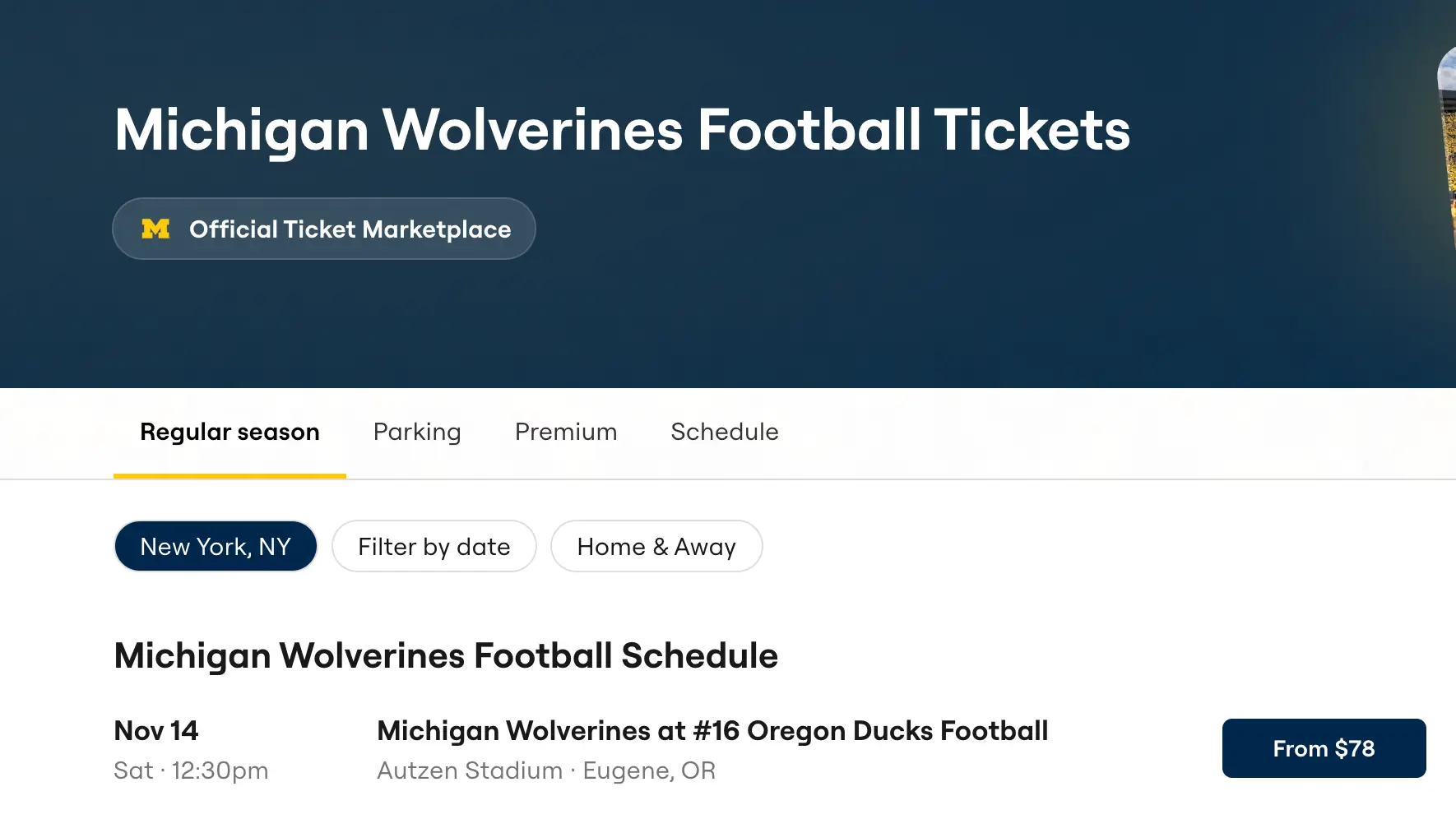
Not every premium ticket guarantees an indoor seat, so review the details before buying. You might still be sitting outside, but having somewhere warm to retreat to at halftime or during commercial breaks can make all the difference.
Eat before kickoff and take advantage of warm concessions
A freezing football game isn't the time to skip breakfast or lunch.
Eat a substantial meal before heading to the stadium, particularly if you're planning to tailgate for several hours before kickoff. Once inside, hot food and drinks can provide a welcome break from the cold.
Think hot chocolate, coffee, soup or chili, depending on what's available at your stadium. Holding a warm drink can also feel pretty great when your fingers are freezing.
Don't forget to drink water, either. It's easy to overlook hydration when you're not sweating, but your body still needs fluids in cold weather.
While a beer might be part of your usual game-day routine, alcohol can increase heat loss and impair your ability to recognize when you're getting dangerously cold. Stick with nonalcoholic warm drinks when temperatures are especially low.
Plan for the cold before and after the game
The football game might last three hours, but your time outdoors could be considerably longer.
Between tailgating, security lines, walking to the stadium and waiting to leave the parking lot, it's easy to spend five or six hours in winter weather.
If you're driving, keep extra dry clothing, blankets and winter emergency supplies in your vehicle. Check road conditions before leaving, especially if snow or freezing rain is expected.
Tailgating? Dress for standing outside before kickoff, and don't rely on an open flame or portable heater unless your tailgating area explicitly permits it.
After the game, expect crowded exits and potentially slow-moving traffic. Keep your hat, gloves and warmest layers accessible rather than packing them away as soon as the final whistle blows.
How to find NFL and college football tickets on SeatGeek
A little cold weather shouldn't keep you from seeing your favorite team in action. Whether you're planning a Thanksgiving weekend rivalry game or an NFL postseason showdown, SeatGeek helps you find tickets that fit your budget and game-day preferences.
Here's how to find your seats:
Find your game. Browse NFL tickets or college football tickets and select your preferred matchup.
Explore the stadium. Use SeatGeek's interactive seating map and View From Seat feature to compare different sections before choosing your tickets.
Consider premium options. Check the Premium tab for club seats, suites and other upgraded experiences, including access to indoor lounges and additional amenities where available.
Compare ticket values. Use Deal Score to see how available listings compare based on factors like price and seat location.
Buy with confidence. Every eligible purchase is backed by SeatGeek's Buyer Guarantee, so you can focus on getting ready for kickoff.
There are plenty of football moments worth braving the cold for. A game-winning touchdown on a snow-covered field can turn a freezing afternoon into a memory you'll talk about for years.
Just make sure you can still feel your toes when it's over.
📁 Categories: NCAA Football, NFL

Max Meyer
Max Meyer is a Senior Content Analyst at SeatGeek, where he oversees the blog's coverage of sports, concerts and theater. An avid fan of live events himself (it's easy to be one in New York City!), Max is passionate about making ticket buying easier to navigate and helping fans know what to expect before attending an event. He previously worked at Sports Illustrated, The Athletic and CBS Sports.