Mar 30, 2026
·Emily Kho
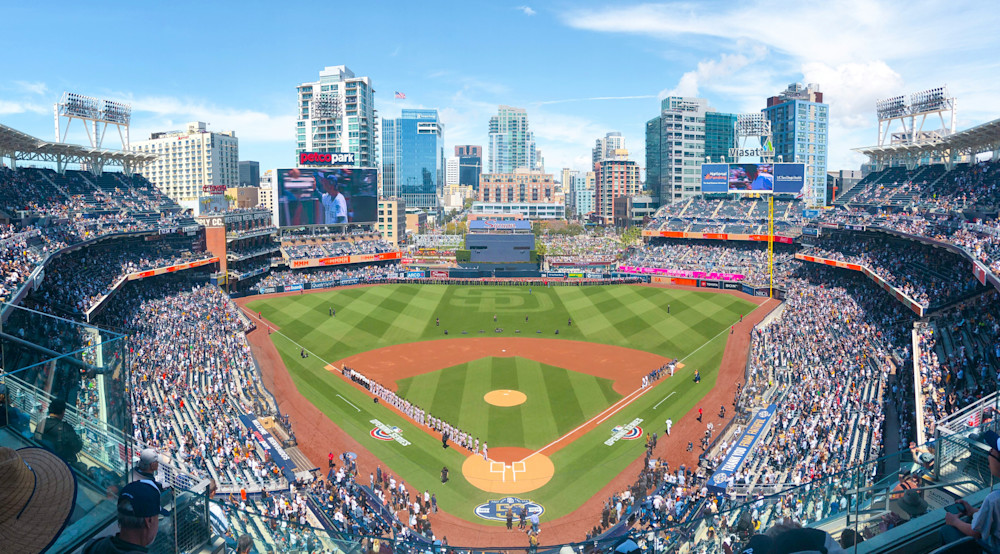
An MLB game is one of the easiest and most enjoyable ways to bring a group of people together. Whether you’re planning a birthday, corporate outing, family gathering or just a night out with friends, baseball offers the perfect mix of entertainment and flexibility.
Unlike concerts or fast-paced sports, a baseball game gives your group room to do everything at its own pace: watch the action, grab food, walk the concourse, and still have a conversation.
But planning for a group takes a little more strategy than just buying a block of tickets. The right game, the right section, and a few simple logistics can make the difference between a smooth outing and a scattered one.
With a little planning upfront, a trip to the ballpark can be easy to manage and genuinely fun for everyone involved.
Why MLB games are ideal for group outings
Baseball is naturally social. The game has built-in downtime, which makes it easier for people to talk and move around without feeling like they’re missing the entire experience. That matters for group outings, where not everyone wants the same kind of night.
Ballparks are also designed with groups in mind. Many stadiums include wide concourses, social areas, standing-room sections and a variety of food and drink options, so the experience doesn’t begin and end with the seats. That makes MLB games especially well suited for mixed groups, where some people care most about the game and others care more about the atmosphere.
How to choose the right MLB tickets for your group
The seating decision shapes the entire outing. Before you look at price, start with the kind of experience your group actually wants. Are you trying to sit and watch every inning, or are you planning a more social night where people will get up often?
Keep your group together (or in clusters)
For small groups, sitting together in one row usually makes the most sense. For larger groups, though, trying to force everyone into a single row can limit your options and drive up the cost. In many cases, it’s smarter to book seats in nearby rows or small clusters within the same section.
If your group is eight or more, prioritize proximity over perfection. A tight cluster is usually better than a long, awkward split across the stadium.
Choose sections that match your group’s energy
Different sections create very different experiences. If your group wants a louder, more casual atmosphere, outfield seats and standing-room areas usually make more sense than premium infield seats. If your group includes older relatives, coworkers, or people who want to talk comfortably during the game, club seats or less crowded lower-bowl sections are often a better fit.
Standing-room can be great for highly social groups, but it usually works best for shorter outings, smaller groups, or groups without kids and older guests who may want a guaranteed place to sit.
Balance price and experience
Buying for a group adds up fast, so it helps to think beyond the “best” seats. For most group outings, the goal is not getting closest to home plate — it’s getting solid value in a section where everyone can enjoy the night together.
Upper-level infield seats, lower-cost corner sections, and outfield seats often strike the best balance between price and experience. Aisle seats can also be worth prioritizing for groups that expect frequent food runs, bathroom breaks, or kids moving in and out.
How to pick the right MLB game for your group
Not every MLB game feels the same. The date you choose affects crowd size, ticket price, energy level, and how easy the outing will be to manage.
Weeknight vs. weekend games
Weekend games tend to have bigger crowds and more energy, which can be great for birthdays or social outings. They also tend to be more expensive and more crowded from parking to concessions.
Weeknight games are often the better choice for corporate groups, casual meetups, and budget-conscious planners. They’re usually easier on the wallet, a little less hectic, and often simpler to coordinate.
Promotions and special events
Promotional games can make a group outing feel like more than just a game. Fireworks nights, giveaways, rivalry games, and theme events all add another layer to the experience.
If your group includes casual fans, choosing a game with a giveaway or postgame event can give everyone something to get excited about, even if baseball itself isn’t the main draw.
Weather considerations
Because most MLB games are outdoors, weather can shape the entire night. Early-season games can be colder than expected, and midsummer day games can be brutal in certain markets.
If comfort is a priority, think about start time, shade, and the age range of your group before you buy. For some outings, a slightly worse view in a shaded section is a better choice than great seats in direct sun.
How to make MLB game day easier for your group
Once the tickets are booked, the next step is making sure the day itself runs smoothly. This is where a little coordination saves a lot of friction.
Arrive early to avoid stress
Getting a group through security and into the stadium almost always takes longer than expected. Arriving early gives people time to park, find the entrance, get through security, and settle in without stress.
For larger groups, “be there at first pitch” is usually too late. Aim to have everyone at the stadium 30 to 45 minutes before game time.
Choose a meeting point
Ballparks are easy places to get separated. Pick one meeting point before anyone arrives, especially if people are traveling separately. That could be outside a specific gate, near a major statue or entrance feature, or at a known concession area inside the park.
Have a rough food plan
You do not need a rigid itinerary, but you do want a loose plan. If everyone waits until the same inning to get food, the group will spend more time in line than together. Some groups prefer to eat before first pitch, while others turn ballpark food into part of the event.
Either approach works. The key is deciding ahead of time whether food is a side detail or part of the outing itself.
Finding the right MLB seats for a group is easier with SeatGeek
One of the hardest parts of planning a group outing is simply figuring out what is actually available. Searching section by section across multiple listings can be slow, confusing, and frustrating — especially when you’re trying to keep a group close together.
SeatGeek makes that easier by letting you explore the full stadium layout and quickly compare available sections. That visibility is especially helpful when you’re deciding between staying together in one block, splitting into clusters, or moving to a different part of the stadium to stay within budget.
You can also compare pricing across sections more efficiently, which helps when you’re balancing cost, sightlines, and convenience. For group planners, that means less guesswork and a faster path to seats that actually fit the outing you’re trying to create.
When it’s time to lock in your plans, SeatGeek can help you find MLB tickets that match your group size, budget, and the kind of night you actually want to have.
📁 Categories: MLB