Mar 26, 2026
·Emily Kho
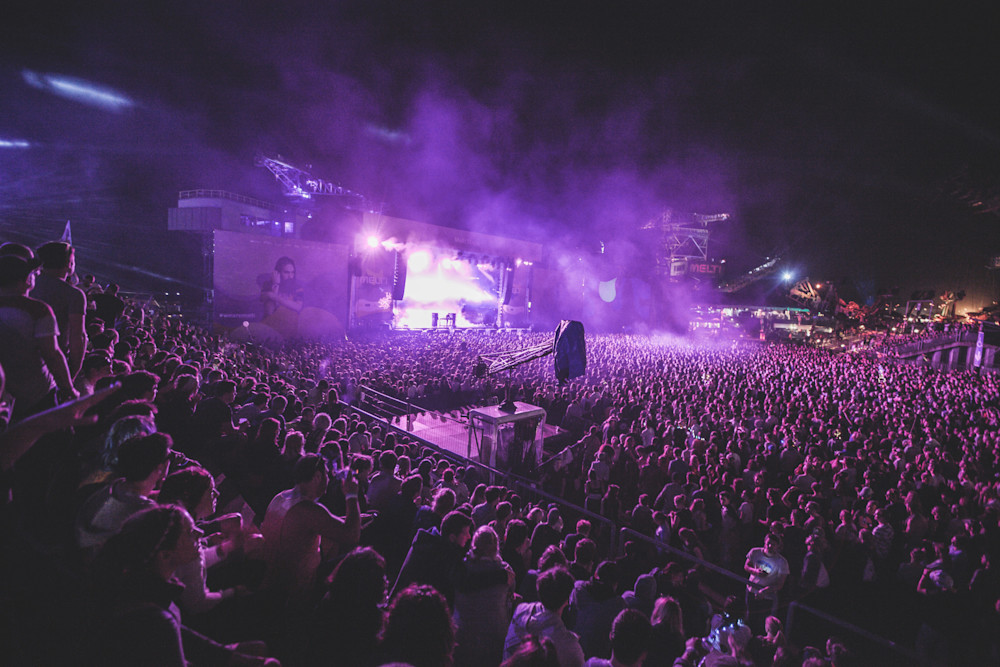
If you’re heading to a concert, one of the most common questions is also one of the most important: what time does the headliner actually go on?
Whether you’re trying to plan your arrival, avoid long waits, or make sure you don’t miss the main act, understanding how concert timing works can make a big difference.
The answer isn’t always straightforward. Set times can vary depending on the type of event, venue rules, and how many artists are on the lineup. But there are clear patterns across concerts that can help you plan your night with confidence.
Here’s what to expect when it comes to headliner start times and how long concerts usually last.
What time do headliners usually go on?
While every show is different, most concerts follow a fairly predictable schedule. Headliners almost never start right when doors open. Instead, there’s typically a series of opening acts that lead up to the main performance.
For standard arena or theater concerts, headliners usually take the stage between 8:30 PM and 10:00 PM. The exact timing depends on how many opening acts there are and when the show officially begins.
At major venues like Madison Square Garden or Crypto.com Arena, shows often follow a structured schedule that keeps things moving on time, especially in cities with strict noise curfews.
If there’s only one opener, the headliner may come on earlier. If there are multiple opening acts, the start time will usually be pushed later into the evening.
How concert timing works
Concert timing can be confusing because the time listed on your ticket does not always reflect when the first act starts or when the headliner takes the stage. To estimate your night more accurately, it helps to understand how doors, openers, and official set times all fit together.
Doors time vs. show time vs. headliner time
One reason concert timing gets confusing is that ticket listings often include only one time. But there are usually three different times that matter:
Doors time is when the venue opens and fans can start entering.
Show time is when the first performer begins.
Headliner time is when the main act actually takes the stage.
These can be separated by a significant gap. For example, a ticket might say 7:00 PM, but that could mean doors open at 7:00 PM, while the first opener starts at 8:00 PM and the headliner doesn’t go on until 9:15 PM.
That’s why it helps to know not just the listed start time, but how the rest of the schedule is likely to unfold.
How opening acts affect the schedule
Opening acts are the biggest reason headliners start later than many fans expect.
Most concerts include at least one opener, and larger tours may feature two or more. Each opener usually performs for 30 to 45 minutes, with short breaks in between for stage resets, sound checks, or equipment changes.
A typical concert schedule might look like this:
Doors open around 6:30 PM
First opener begins around 7:30 PM
Second opener performs around 8:00–8:30 PM
Headliner takes the stage around 9:00–9:30 PM
This structure is common enough that it provides a useful baseline, even though every event is a little different.
How to find your concert’s exact set times
General timing patterns are helpful, but if you want the most accurate answer for a specific show, the best move is to check for official set times on the day of the event.
Good places to look include:
The venue’s website or social media
The artist’s social channels
Event emails or updates from the ticketing platform
Day-of event pages with schedule changes or timing notes
This is especially important for festivals, outdoor shows and events with multiple performers, since schedules can shift because of weather, delays, or curfew adjustments.
If exact set times haven’t been posted, you can still usually make a solid estimate based on doors time and the number of artists on the bill.
How long do concerts usually last?
Most concerts last somewhere between 2.5 and 4 hours total, from doors open to the final song.
The headliner’s set usually runs:
90 minutes to 2 hours for most artists
60 to 75 minutes for some smaller tours or shorter-format shows
2+ hours for major artists, legacy acts, or special productions
The exact runtime depends on the artist, tour format, production needs, and how large the catalog is. Some performers play compact, tightly scheduled sets. Others build in more crowd interaction, longer intros, or extended musical sections.
Many concerts also include an encore, which can slightly extend the total runtime and push the end of the show later than fans expect.
When should you arrive at a concert?
The best arrival time depends on what kind of experience you want.
If you want to see every act, buy merch, grab food or drinks, and settle in without rushing, arriving around when doors open usually makes sense.
If you have general admission tickets and want a good spot near the stage, getting there early is often even more important.
If your main goal is to see only the headliner, arriving 30 to 60 minutes before their expected set time is often enough. That usually gives you time to get through security, find your section, and get situated without waiting through every opener.
It’s also smart to account for practical delays that can eat into your timing, such as security lines, bag checks and parking delays.
Even fans with reserved seats can benefit from arriving earlier than expected if the venue is large or entry tends to move slowly.
How SeatGeek helps you plan your concert night
Knowing when the headliner goes on is only part of planning a concert. It also helps to know where you want to sit, how quickly you want to get to your section, and whether you’re aiming to catch every opener or just the main act.
SeatGeek helps you compare ticket options and explore interactive seating charts before you buy, so you can choose a setup that fits your night. If you expect to arrive close to the headliner’s set, an aisle seat or a section with easier access may make things simpler. If you want to be in the middle of the action from the start, a floor ticket or lower section may be a better fit.
For GA shows, understanding the venue setup can help you decide how early to arrive if being close to the stage matters. For seated events, seeing the layout ahead of time can make it easier to plan your arrival and feel more prepared before you get to the venue.
When you’re ready to plan your next concert, SeatGeek makes it easier to compare tickets, explore venue layouts, and choose seats that match the kind of experience you want.
📁 Categories: Concerts