Feb 12, 2026
·Emily Kho
MLS stadiums are built to serve very different kinds of fans, and where you sit has a major impact on how you experience the match. Some sections are designed for nonstop energy and chanting, others prioritize sightlines and tactics, and some are intentionally calmer for families and first-time attendees.
If you’ve ever wondered whether supporters’ sections are worth it, where the best sideline seats are, or how to find a family-friendly area without sacrificing the view, this guide breaks it all down.
Understanding how MLS stadium sections work makes it much easier to choose seats that actually fit how you want to watch the game.
How MLS stadium seating is typically organized
Most MLS-specific stadiums follow a similar seating philosophy, even if the capacity, roof design or sightlines differ from venue to venue. The layout usually reflects how soccer crowds move, chant and engage with the match rather than focusing solely on premium seating.
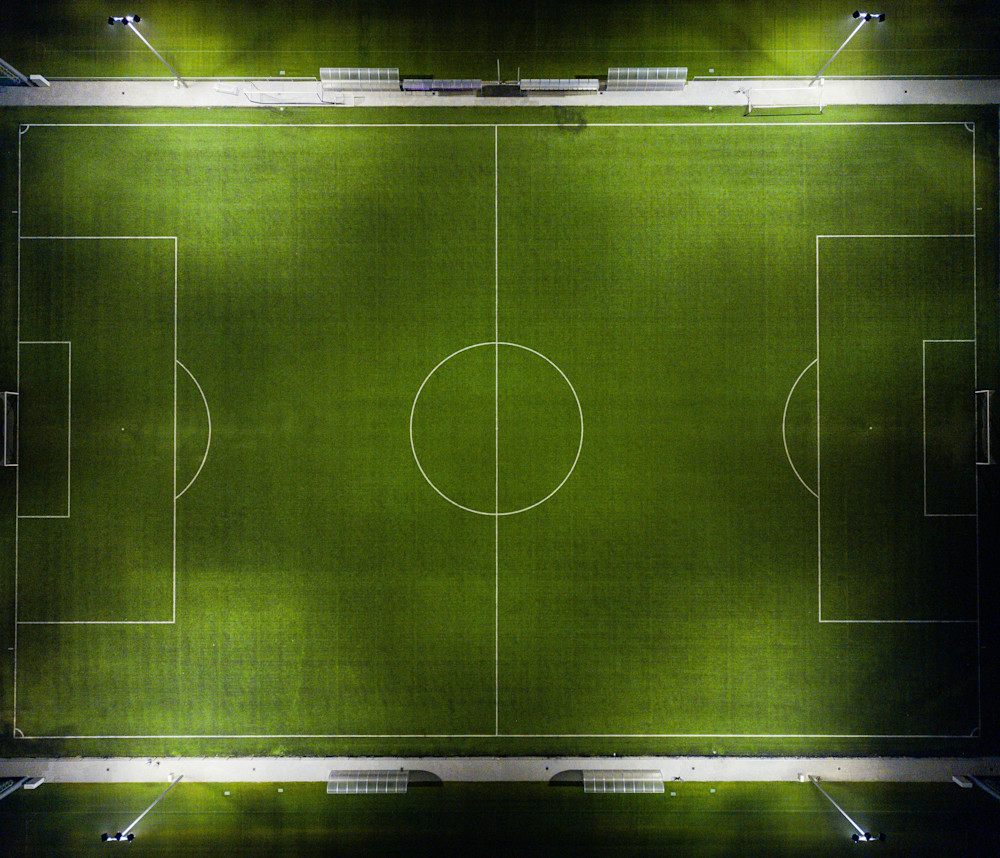
In general, MLS seating falls into three broad categories: supporters’ sections behind the goals, sideline seating running parallel to the pitch and quieter or family-oriented sections placed away from the most intense fan zones.
Knowing which category a section belongs to helps narrow your options quickly before you even start comparing prices.
What to expect from supporters’ sections at MLS matches
Supporters’ sections are built for atmosphere first and comfort second. These areas are where chants start, flags wave, and the energy rarely drops for the full 90 minutes.
Where supporters’ sections are usually located
In most MLS stadiums, supporters’ sections sit directly behind one of the goals. Some stadiums have a single supporters’ end, while others split organized supporters across multiple adjacent sections.
These areas are often clearly labeled on seating maps and may be designated as general admission or safe-standing sections.
Because section numbers and layouts vary by club, checking an interactive seating map is the easiest way to confirm exactly where these sections are located.
What the atmosphere is like in supporters’ sections
Sitting in a supporters’ section means actively participating in the match. Expect to stand for most, if not all, of the game, with coordinated chants, drums, and call-and-response songs happening constantly. Flags and banners are common, and the visual energy can be just as intense as the noise.
For many fans, this is the most authentic way to experience MLS culture. For others, especially those who want to focus on tactics or attend with kids, it can feel overwhelming.
Ticket rules and restrictions to know before buying
Supporters’ sections often come with expectations that aren’t always obvious when purchasing tickets. Some clubs discourage or prohibit sitting during play, while others limit opposing team apparel in these sections.
These policies aren’t universal, which makes reading section notes before buying especially important.
Why sideline seats offer the best overall view of the pitch
Sideline seating is often the most balanced option at MLS matches, offering strong sightlines without the constant movement and noise of supporters’ sections.
How sideline views change the way you watch soccer
Sideline seats run parallel to the pitch, typically between the two penalty areas or near midfield. From this angle, it’s easier to follow build-up play, see team shape, and track how midfield battles evolve over time.
You’ll also have a clearer view of substitutions, coaching decisions, and tactical adjustments as the match unfolds.
This perspective appeals to fans who enjoy understanding the game as much as reacting to individual moments.
Lower vs. upper sideline seating considerations
Not all sideline seats deliver the same experience.
Lower sideline seats bring you closer to the action, making player speed, physical challenges and on-ball skill more noticeable.
Upper sideline seats trade proximity for perspective, offering a wider view that helps you see off-ball movement and spacing across the field.
Many fans find that mid-level sideline sections strike the best balance between closeness and clarity, especially in soccer-specific stadiums where upper levels aren’t excessively high.
Are sideline seats worth the higher price?
Sideline seating usually costs more than supporters’ sections, particularly near midfield. The higher price often reflects more consistent sightlines, less standing and a calmer environment that allows you to focus on the match itself.
For fans who want comfort without sacrificing engagement, sideline seats are often worth the investment.
How family-friendly sections differ from other MLS seating areas
Family-friendly sections are designed for fans who want a more relaxed experience without losing the essence of live soccer.
What makes a section family-friendly
Family-friendly sections are typically quieter, with minimal standing, fewer flags or banners, and less chanting compared to supporters’ areas. The atmosphere still feels lively, but it’s more predictable and easier to navigate, especially for younger fans.
These sections appeal not only to families, but also to first-time MLS attendees or fans who prefer to watch rather than participate loudly.
Where family-friendly seats are usually located
Most MLS stadiums place family-oriented seating along the sideline but farther away from supporters’ sections. Some stadiums designate specific family zones, while others naturally create quieter areas in corner sections or upper levels with clear sightlines and easier access.
Checking seating maps and section descriptions can help identify these areas quickly.
Why these sections work well for groups
Beyond atmosphere, family-friendly sections often offer practical benefits like easier entry and exit, nearby restrooms, and less congestion during breaks in play.
These features make the experience smoother for groups attending together, especially when attention spans or schedules vary.
How to choose which MLS seats are best for you
The best MLS seats depend less on proximity to the field and more on how you want to experience the match.
Supporters’ sections are ideal for fans who want to sing, stand and feel fully immersed in the crowd.
Sideline seats suit fans who value clear views and tactical awareness.
Family-friendly sections prioritize comfort and accessibility without disconnecting you from the action.
Thinking about who you’re attending with, how long you want to stand, and how much noise you enjoy can quickly narrow the right choice.
How seat location affects MLS ticket pricing
Seat location plays a major role in MLS ticket pricing, even within the same stadium.
Supporters’ sections are often the most affordable, particularly when offered as general admission.
Sideline seats usually command higher prices, especially near midfield or in premium rows.
Family-friendly sections often fall in the middle, offering strong value for fans who want comfort without premium pricing.
Comparing prices across sections for a specific match can reveal opportunities where better views don’t necessarily mean significantly higher cost.
Using SeatGeek's interactive seat maps to choose the right MLS section
Seat maps are especially valuable for MLS stadiums because the atmosphere varies so much by section. An interactive map lets you see where supporters’ sections are located, compare views from sideline seats, and identify quieter zones before committing to a purchase.
Being able to visualize the stadium layout helps avoid surprises and ensures your seats match your expectations.
Plan your next MLS match with SeatGeek
Finding the right MLS seats is easier when you can clearly compare sections, pricing and views in one place. SeatGeek’s interactive maps, upfront pricing, and section details make it simple to choose seats that match how you want to watch the game.
Whether you’re chasing supporter energy, sideline views or a family-friendly atmosphere, planning ahead helps you buy with confidence.
Get your MLS tickets today with SeatGeek and choose seats that fit your matchday style.
📁 Categories: MLS